Introduction
In a world significantly focused on sustainability, the value of environmentally friendly options can not be overstated. When it comes to home building and construction and renovation, fencing is frequently overlooked as a chance for sustainable practices. However, the choice of products and installation methods can have a significant ecological effect. In Melbourne, various fence builders and fencing contractors are stepping up to provide environmentally friendly fencing options. This short article checks out different sustainable fencing options available in Melbourne, emphasizing the know-how and reliability of local fence installers
Eco-Friendly Fencing Options with Sustainable Contractors in Melbourne
When selecting fencing for your home, it's essential to think about not simply aesthetics and performance however also the environmental effect of your options. Sustainable specialists in Melbourne focus on offering environmentally friendly fencing solutions that utilize renewable resources and lessen waste.

What Makes Fencing Eco-Friendly?
Eco-friendly fencing includes using products that are sustainable, recyclable, or biodegradable. Here are some qualities of eco-friendly fencing:
- Sustainable Products: Utilizing wood from properly managed forests. Recyclability: Picking materials that can be recycled at the end of their life cycle. Durability: Selecting fencing that needs less frequent replacement decreases waste over time. Local Sourcing: Using locally sourced products to decrease transportation emissions.
Why Choose Sustainable Fencing?
Choosing environment-friendly options not only assists the environment but can also enhance your residential or commercial property's value. It shows a commitment to sustainability that lots of homebuyers appreciate. Additionally, sustainable products often include warranties and require less maintenance.
Types of Eco-Friendly Fencing Options Available
Timber Paling Fences
Timber paling fences are one of the most popular kinds of fencing among house owners in Melbourne. Made from sustainably sourced lumber, these fences provide a natural appearance while being eco-friendly.
Advantages:
- Biodegradable at the end of their lifespan. Versatile styles can suit any style.
Disadvantages:
- Requires routine upkeep to avoid rot.
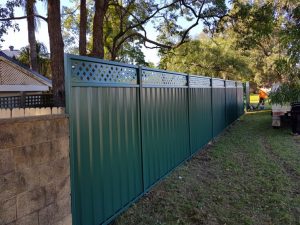
Colorbond Fences
Colorbond fences are made from steel covered with durable paint. They are not only durable but also come in various colors.
Advantages:
- Long-lasting and resistant to harsh weather condition conditions. Recyclable at the end of their lifecycle.
Disadvantages:
- Higher preliminary cost compared to wood.
Aluminium Blade Fences
Lightweight yet robust, aluminium blade fences supply modern aesthetics while being an eco-friendly alternative.
Advantages:
- Rust-resistant and requires very little upkeep. 100% recyclable material.
Disadvantages:
- Initial expenses can be higher compared to standard wood fences.
Aluminium Slat Fences
Similar to aluminium blade fences, aluminium slat fences supply personal privacy without sacrificing airflow.
Advantages:
- Stylish look boosts residential or commercial property value. Low-maintenance solution with long-lasting durability.
Disadvantages:
- Can be more expensive than lumber options.
Tubular Metal Fences
These fences use both security and aesthetic appeal while being made from recyclable metal.
Advantages:
- Highly durable; often utilized for swimming pool locations or security purposes.
Disadvantages:
- Limited design versatility compared to wood options.
Picket Fences
A traditional option for lots of property owners, picket fences provide appeal while staying eco-friendly if made from sustainable timber or composite materials.
Advantages:
- Timeless style appropriate for various architectural styles.
Disadvantages:
- Requires periodic upkeep to preserve appearance.
Glass Fences
Glass fences provide unblocked views while preserving security around swimming pools or patios.
Advantages:
- Modern look that enhances outdoor spaces.
Disadvantages:
- High costs related to setup and maintenance.
Pool Fences
Safety policies frequently require pool locations to be enclosed, making environment-friendly swimming pool fence options necessary for households prioritizing safety together with sustainability.
The Role of Sustainable Specialists in Melbourne
Engaging a knowledgeable contractor focusing on sustainable practices is vital when setting up environmentally friendly fencing. Here's what sets them apart:
Expertise in Sustainable Materials
Sustainable contractors understand which products are best fit for different environments and how they impact total sustainability objectives.
Access to Ingenious Solutions
They stay updated on the latest innovations and techniques that add to green building practices, including energy-efficient setups that reduce carbon footprints.
Commitment to Regional Sourcing
By sourcing locally produced products, sustainable contractors help in reducing emissions associated with transferring items over fars away while supporting local economies.
FAQs
1. What are the most common kinds of environment-friendly fencing?
Common types consist of timber paling fences, Colorbond fences, aluminium blade fences, tubular metal fences, glass fences, picket fences, and pool fences-- all providing differing degrees of sustainability based on their products and More helpful hints building methods.
2. How do I find reputable fence installers in Melbourne?
You can browse online directories or regional company listings concentrating on evaluations and suggestions from previous customers who have actually engaged them for comparable tasks including sustainable practices.
3. Exist government rewards for picking environmentally friendly materials?
Some local councils may provide incentives or rebates for using environmentally friendly products as part of more comprehensive initiatives aimed at promoting sustainability within communities-- check with your local council for offered programs!
4. How much does environment-friendly fencing typically cost?
Costs vary considerably depending upon material choice, size requirements, labor involved in installation, and additional functions like gates or decorative elements-- but budgeting between $50-$120 per linear meter prevails across different options!
5. Can I develop my own fence utilizing sustainable materials?
Absolutely! Numerous property owners select do it yourself jobs utilizing sustainably sourced wood or recycled metals-- but guarantee you adhere strictly to local building codes regarding height constraints or precaution before proceeding!
6. What is feature fencing?
Feature fencing acts as both a functional barrier along with a visually pleasing aspect indicated to improve curb appeal-- frequently made from special combinations such as timber slats paired together with color-coated metal accents!
Conclusion
Choosing eco-friendly fencing alternatives not only contributes favorably towards ecological preservation however likewise elevates your home's visual appeal while improving its market price! With various choices such as timber paling fences or modern-day Colorbond ranges offered through reliable fencing contractors throughout Melbourne-- making notified choices becomes vital! Partnering with well-informed fence installers ensures you get skilled guidance tailored particularly towards your special needs whilst cultivating greater neighborhood engagement through responsible sourcing practices! Explore these diverse alternatives today-- and transform your outside area into a personification of sustainability!
In summary, investing time into understanding your options relating to eco-friendly fencing options will settle-- not simply ecologically however likewise socially within our neighborhoods here in gorgeous Melbourne!